
In a fintech landscape shaped by rapid iteration and rising user expectations, trader feedback has become one of the most revealing performance indicators for any platform. Technical specifications matter, but user experience under real conditions tells a deeper story.
A growing number of discussions around Bull360 trader feedback focus not on marketing claims, but on practical aspects: execution reliability, platform stability, and integration with modern fintech standards. As traders test environments hands-on, platforms such as Bull360 are evaluated through the lens of software performance rather than promotional messaging.
For fintech-oriented audiences, that distinction is important. Infrastructure quality, data architecture, and interface responsiveness define long-term credibility far more than surface-level features.
From Feature Lists to Real-World Testing

In software development, product validation does not stop at release. Continuous feedback loops shape performance optimisation. The same logic increasingly applies to trading platforms.
When analysing Bull360 trader feedback, several recurring themes emerge:
-
Speed of order execution
-
Chart responsiveness
-
Interface clarity
-
Stability during volatile sessions
-
Accessibility across devices
For fintech observers, these metrics mirror software quality benchmarks: latency, uptime, UX efficiency and backend reliability.
Bull360 appears to position itself within this infrastructure-driven mindset, where user evaluation functions almost like iterative product testing.
Execution as a Software Metric
Execution speed in trading can be compared to server response time in SaaS applications. Milliseconds matter. Latency under load reveals system resilience.
Traders referencing Bull360 trader feedback frequently highlight:
-
Order confirmation timing
-
Slippage consistency
-
Spread behaviour in fast markets
-
System stability during macro events
These elements correspond directly with backend optimisation. A platform’s matching engine, liquidity routing and data processing layers determine whether execution remains consistent under stress.
From a fintech engineering perspective, the emphasis on performance suggests architectural prioritisation rather than front-end cosmetics.
User Interface and Workflow Efficiency

Trader feedback often focuses on workflow efficiency — a concept familiar to software designers.
Key UI-related observations include:
-
Clean navigation between asset classes
-
Customisable charting tools
-
Clear display of margin and exposure
-
Logical placement of risk controls
For fintech platforms, intuitive design reduces cognitive load. In trading environments, that reduction directly affects decision speed.
Bull360’s interface structure reflects a trend seen across modern fintech products: prioritising clarity and modular functionality over visual complexity.
Infrastructure Stability and Scalability
Any fintech platform must account for peak usage scenarios. In trading, these peaks occur during:
-
Interest rate announcements
-
Inflation data releases
-
Market-opening hours
-
Unexpected geopolitical events
During such periods, system stability becomes the primary benchmark.
Trader feedback regarding Bull360 frequently references stable connectivity during routine sessions. While no platform is immune to extreme market stress, the absence of frequent downtime or freezing suggests attention to server scalability and load management.
From a technical standpoint, this implies investment in backend resilience — distributed systems, redundant servers, and reliable data feeds.
Security and Compliance Considerations
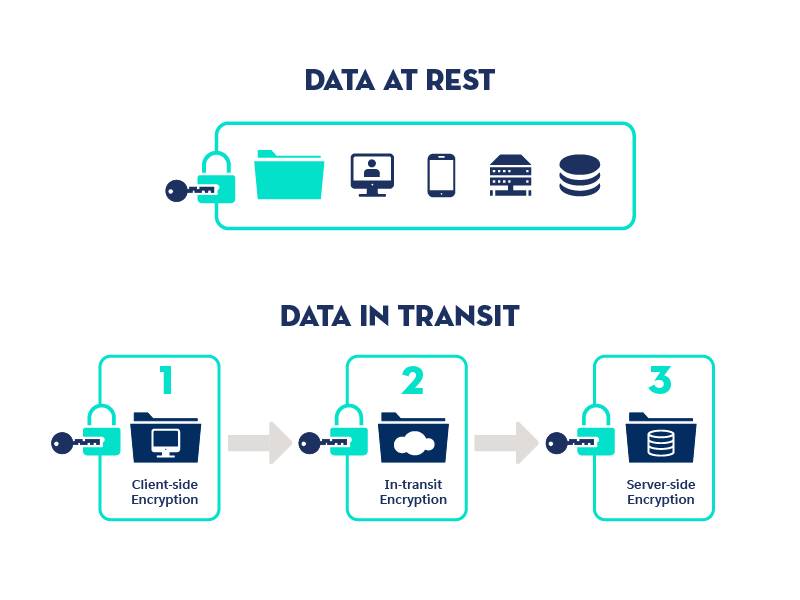
Fintech platforms operate within strict security and compliance frameworks. Trader feedback increasingly reflects awareness of:
-
Secure authentication protocols
-
Data protection standards
-
Transparent account verification procedures
-
Clear fee disclosures
Security architecture is rarely visible to end users, yet its presence is reflected in trust levels.
Bull360 appears to operate within this security-conscious fintech environment, where encryption, data integrity and user protection are baseline expectations rather than optional features.
Asset Diversity and System Integration
Modern trading platforms are no longer single-asset systems. Integration across multiple markets is a defining characteristic.
Bull360 trader feedback commonly references access to:
-
Forex pairs
-
Indices
-
Commodities
-
Digital assets
From a fintech integration perspective, supporting multi-asset access requires scalable APIs, reliable liquidity routing and unified data streams.
This cross-asset infrastructure aligns with broader fintech trends toward ecosystem platforms rather than isolated products.
Transparency and Cost Structure
Beyond technical performance, user feedback often addresses transparency. Traders assess:
-
Spread clarity
-
Financing costs
-
Commission visibility
-
Withdrawal processing terms
Transparent pricing reflects both legal compliance and user-centric design. Platforms that clearly display costs reduce friction and support informed decision-making.
Bull360’s structured presentation of account information aligns with this transparency-driven expectation within fintech environments.
The Broader Fintech Context
The fintech sector increasingly values iterative improvement. User feedback feeds product evolution, and performance metrics guide infrastructure upgrades.
Bull360 trader feedback can be viewed within this broader innovation cycle. As traders evaluate execution quality and system reliability, their observations effectively function as product performance reviews.
For fintech observers, this dynamic underscores an important shift: trading platforms are no longer static tools but evolving software ecosystems.
Conclusion: Feedback as a Performance Indicator
In modern fintech, user feedback is more than commentary — it is diagnostic data. It reveals where infrastructure succeeds and where optimisation may be needed.
Bull360 trader feedback highlights performance, interface clarity and system stability as central themes. For technology-focused audiences, these factors suggest a platform shaped by software-driven priorities.
As trading continues to integrate deeper into fintech ecosystems, infrastructure quality and user experience will remain decisive. Feedback, in this context, becomes both validation and roadmap.
FAQ
Why is trader feedback important in fintech platforms?
It provides real-world performance insight beyond marketing descriptions.
What technical aspects matter most in trading platforms?
Execution speed, stability, security architecture and interface efficiency.
Does feedback reflect software quality?
Yes. Consistent user reports often correlate with backend optimisation and system design.
Can feedback influence platform evolution?
In many fintech environments, user insights guide updates and infrastructure improvements.
